Heritage Month: How Morukuru Family Keeps South African Traditions Alive
Heritage lives in the languages we speak, the food we prepare, the songs we sing, and the ways we welcome others into our homes.
Across Morukuru Family Madikwe, Morukuru Family De Hoop, and AtholPlace Hotel & Villa, South Africa’s layered cultural heritage forms part of the guest experience in ways that feel natural and profoundly personal.
Many cultures, One Morukuru Family
The Morukuru Family team represents a remarkable diversity of cultures and backgrounds, including Setswana, isiXhosa, isiZulu, Xitsonga, Shangaan, Sesotho, Afrikaans, and Shona-speaking communities.
At Morukuru Family Madikwe, General Manager Esmaralda sees a common thread running through these varied traditions: the use of song, poetry, and dance to celebrate important moments and tell stories.
In Setswana culture, praise poetry known as maboko may be recited or performed during significant occasions, honouring people and preserving cultural memory. Music and dance are equally important within Tsonga and Shangaan traditions, where colourful clothing and energetic performances such as Muchongolo bring communities together in celebration.
These expressions find their way into the Morukuru Family guest experience, too. At Morukuru Family Madikwe, team members often welcome or bid farewell to guests through song and dance, sharing a small part of who they are.
Morukuru Family De Hoop’s Butler, Sindiso, describes his isiXhosa heritage as far more than a language.
“IsiXhosa, ubuXhosa, is a way of life filled with its own beliefs, customs, and rich history,” he explains. “Heritage means embodying that and keeping it alive for the next generations without allowing it to lose its essence.”
Housekeeper, Nonny, similarly speaks of an amaXhosa culture grounded in community, respect for ancestors, music, singing, drumming, and traditional foods such as umngqusho, a comforting dish of samp and beans.
Kayleigh, Assistant General Manager, who grew up surrounded by Basotho culture and now works closely with amaXhosa colleagues, has been especially moved by the way stories are passed from one generation to another.
“It keeps not only the tale alive, but the people within it too,” she says.
Guests encounter this heritage in small, heartfelt ways: learning a greeting, asking about the meaning of a song, hearing a childhood story, or discovering why a particular dish matters to the person serving it. These exchanges are never scripted, and their beauty lies in the generosity with which they are shared.
Morukuru Owner's House
A taste of home
Few things bring people together quite as easily as food. At Morukuru Family, the chefs draw inspiration from local ingredients and the dishes they grew up eating, transforming familiar South African flavours into memorable dining experiences.
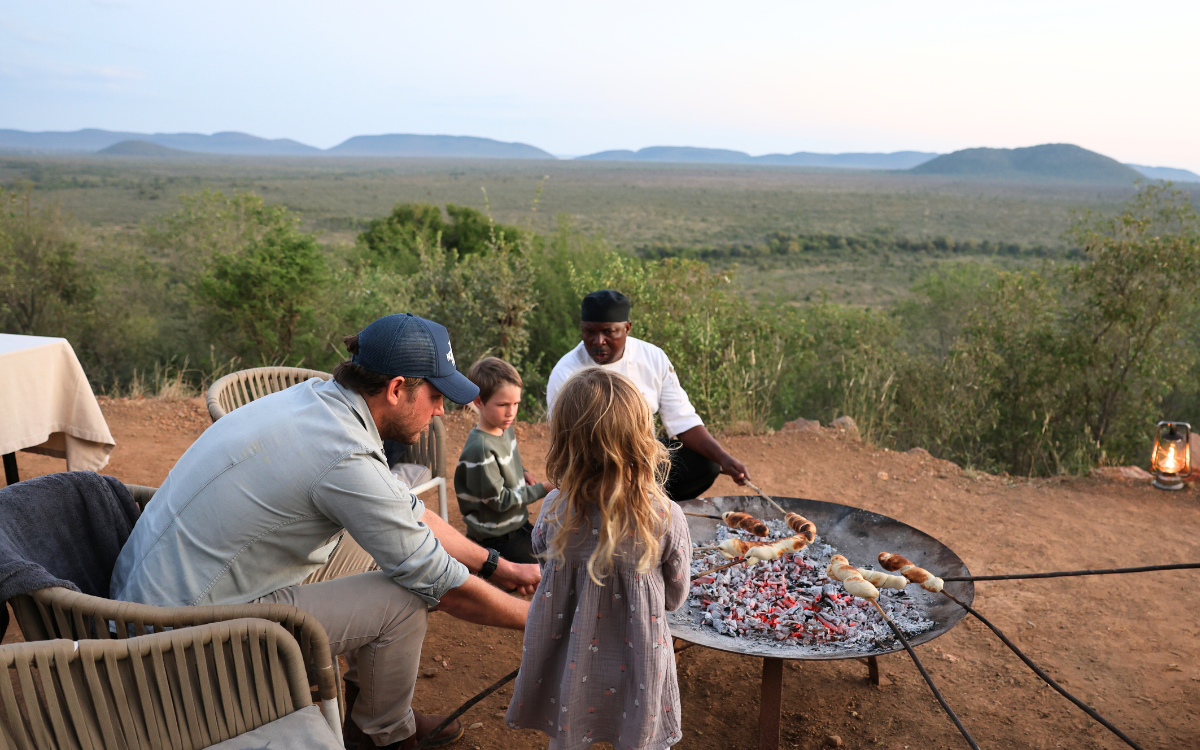
One tradition appears across all three destinations: the braai – a South African social tradition involving a meal or gathering centred on cooking meat over an open wood or charcoal fire.
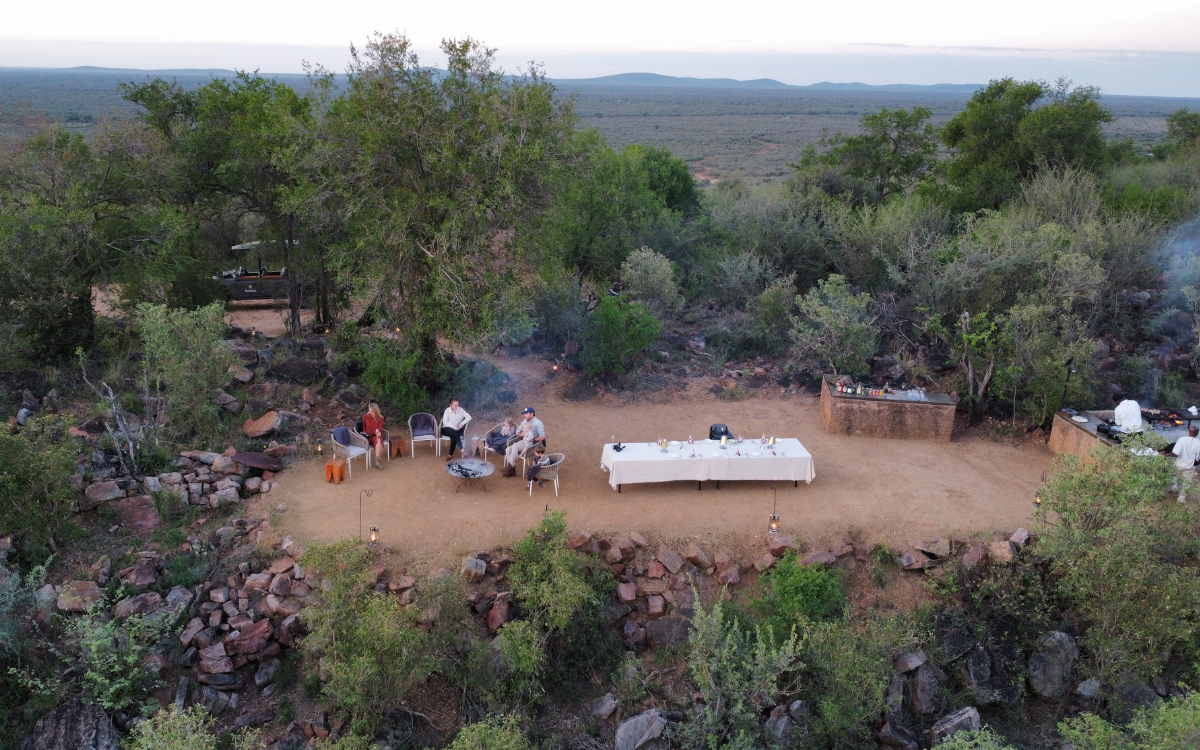
At Morukuru Family Madikwe, a braai may unfold in a special setting outdoors, with the sun slipping below the bushveld horizon and the scent of meat cooking over an open fire. Alongside a selection of grilled meats, guests might enjoy oxtail stew, pap (a traditional South African porridge), and other comforting local favourites.
At AtholPlace Hotel & Villa, the experience may include freshly prepared salads, homemade breads and sauces, mielies, or pap, followed by Amarula malva pudding (a sweet, comforting, and spongy baked dessert). International guests receive a delicious introduction to a much-loved South African custom, while local guests are often reminded of gatherings back home.
Morukuru Family De Hoop brings the same spirit to its Morukuru Braai Nights, where pap, chakalaka (a spicy vegetable relish), roosterkoek (a bread roll cooked directly on a grid over hot coals), and malva pudding celebrate familiar South African flavours. Cape Malay curry is another guest favourite and one of the most frequently requested recipes after a stay.
Ultimately, a braai is never only about what’s on the plate. It’s the warmth of the fire, the easy conversation around it, and the unhurried pleasure of sharing food with others.
Morukuru Beach Lodge in the De Hoop Nature Reserve in South Africa
A feeling to carry home
When asked what they hope guests take home from South Africa, the teams return again and again to the same idea: Ubuntu – often expressed as umuntu ngumuntu ngabantu: a person is a person through other people.
They hope guests remember the warmth of the people they met, the music they heard, and the stories shared around the fire. They hope they recall the taste of pap and chakalaka, Cape Malay curry or malva pudding; the vastness of the bushveld; the scent of fynbos; the sight of whales moving through the waters of De Hoop Nature Reserve.
Most of all, they hope guests remember how it felt to belong.
Perhaps that’s the most meaningful expression of South African heritage: people of different languages, cultures, and backgrounds living, working, and getting through it all together.
A recognition that life’s richness lies in our connection to one another.


 In Setswana culture, praise poetry known as maboko may be recited or performed during significant occasions, honouring people and preserving cultural memory. Music and dance are equally important within Tsonga and Shangaan traditions, where colourful clothing and energetic performances such as Muchongolo bring communities together in celebration.
These expressions find their way into the Morukuru Family guest experience, too. At Morukuru Family Madikwe, team members often welcome or bid farewell to guests through song and dance, sharing a small part of who they are.
 Morukuru Family De Hoop’s Butler, Sindiso, describes his isiXhosa heritage as far more than a language.

 At Morukuru Family Madikwe, a braai may unfold in a special setting outdoors, with the sun slipping below the bushveld horizon and the scent of meat cooking over an open fire. Alongside a selection of grilled meats, guests might enjoy oxtail stew, pap (a traditional South African porridge), and other comforting local favourites.
 At AtholPlace Hotel & Villa, the experience may include freshly prepared salads, homemade breads and sauces, mielies, or pap, followed by Amarula malva pudding (a sweet, comforting, and spongy baked dessert). International guests receive a delicious introduction to a much-loved South African custom, while local guests are often reminded of gatherings back home.
 Morukuru Family De Hoop brings the same spirit to its Morukuru Braai Nights, where pap, chakalaka (a spicy vegetable relish), roosterkoek (a bread roll cooked directly on a grid over hot coals), and malva pudding celebrate familiar South African flavours. Cape Malay curry is another guest favourite and one of the most frequently requested recipes after a stay.
 Ultimately, a braai is never only about what’s on the plate. It’s the warmth of the fire, the easy conversation around it, and the unhurried pleasure of sharing food with others.


